Fabric Engineering
GSM, Jersey and Pique: How to Specify Polo and T-Shirt Fabric
Understand fabric weight and knit construction, then turn those details into a useful sample brief for polos and T-shirts.
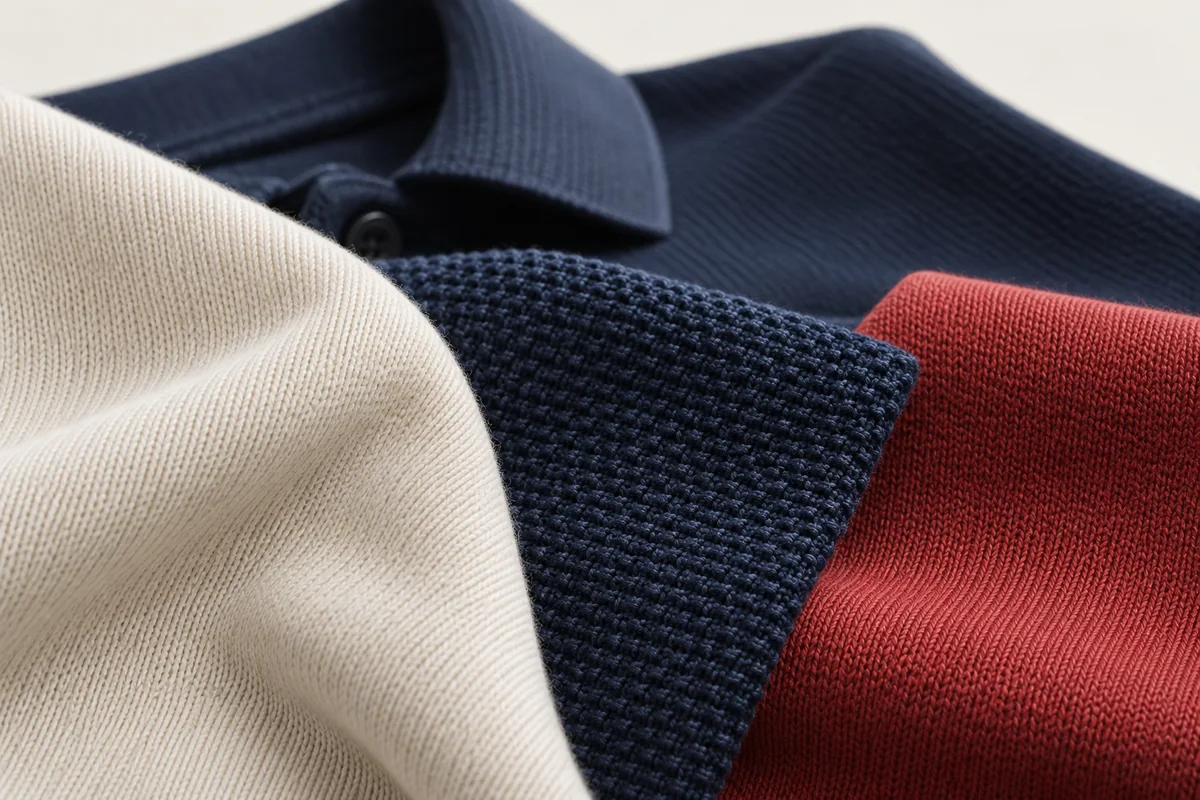
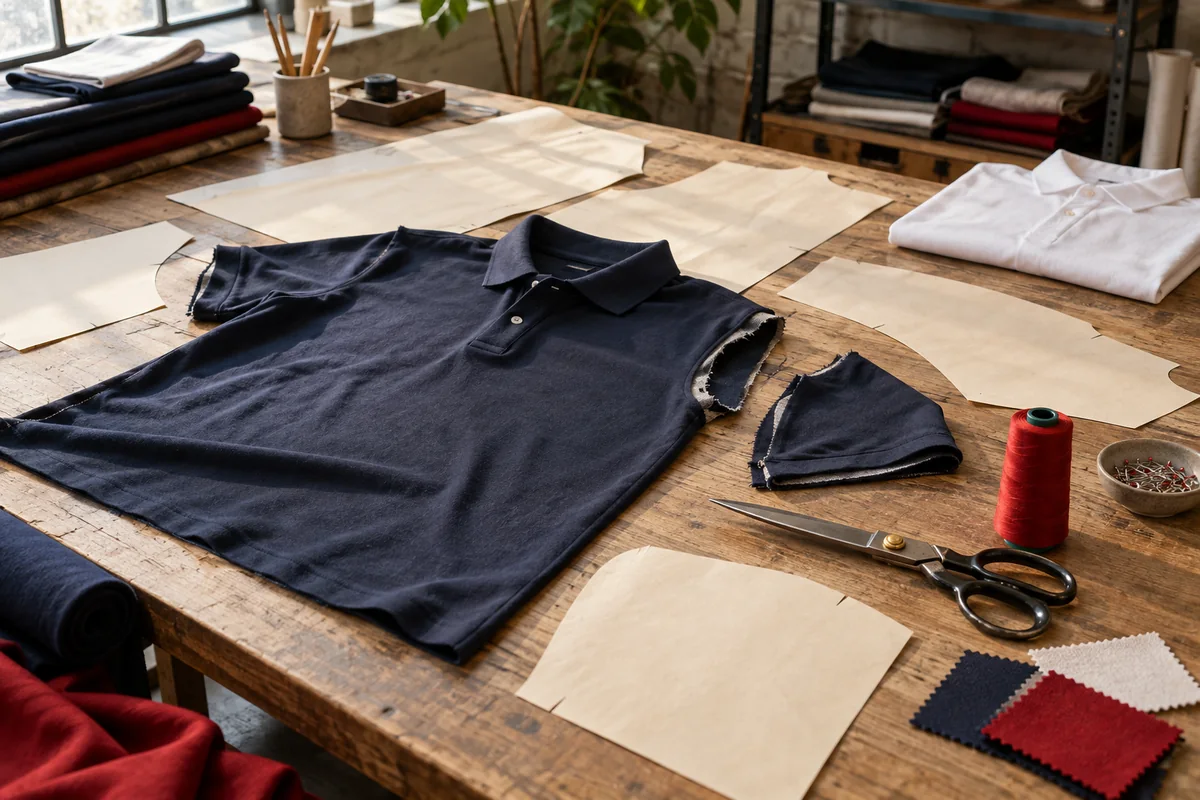
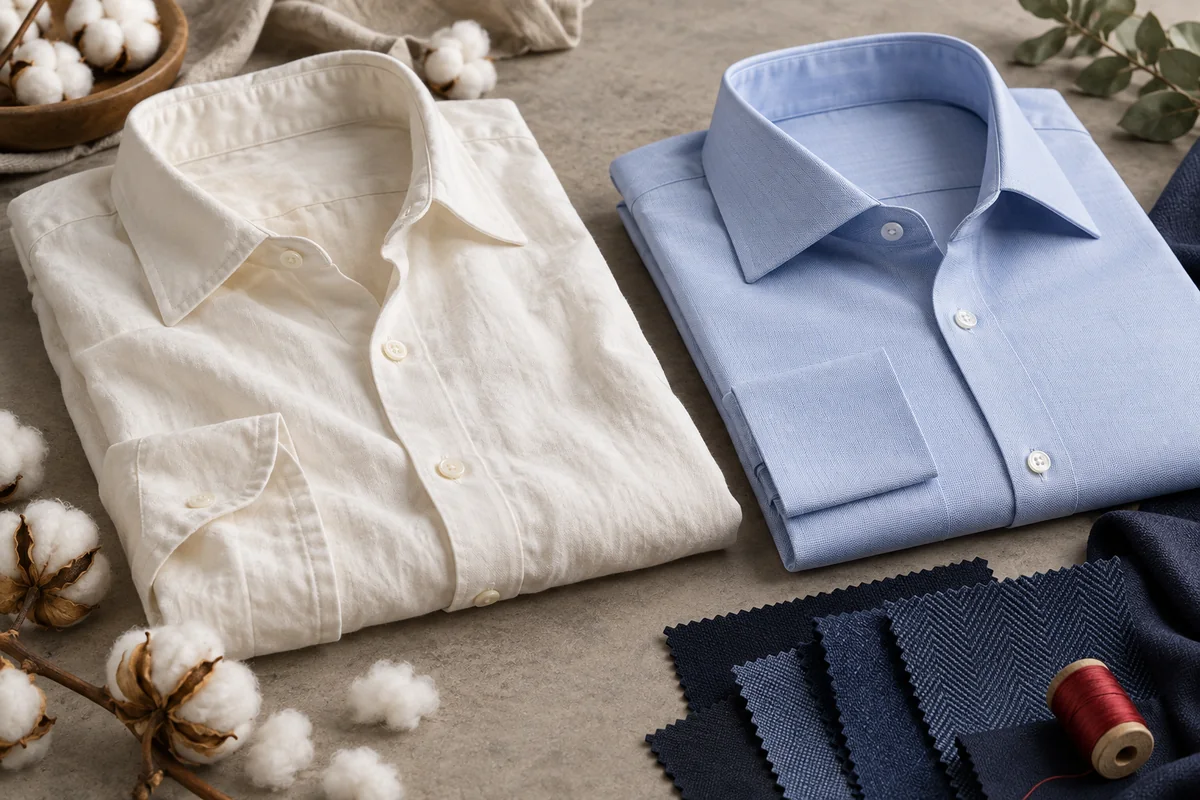
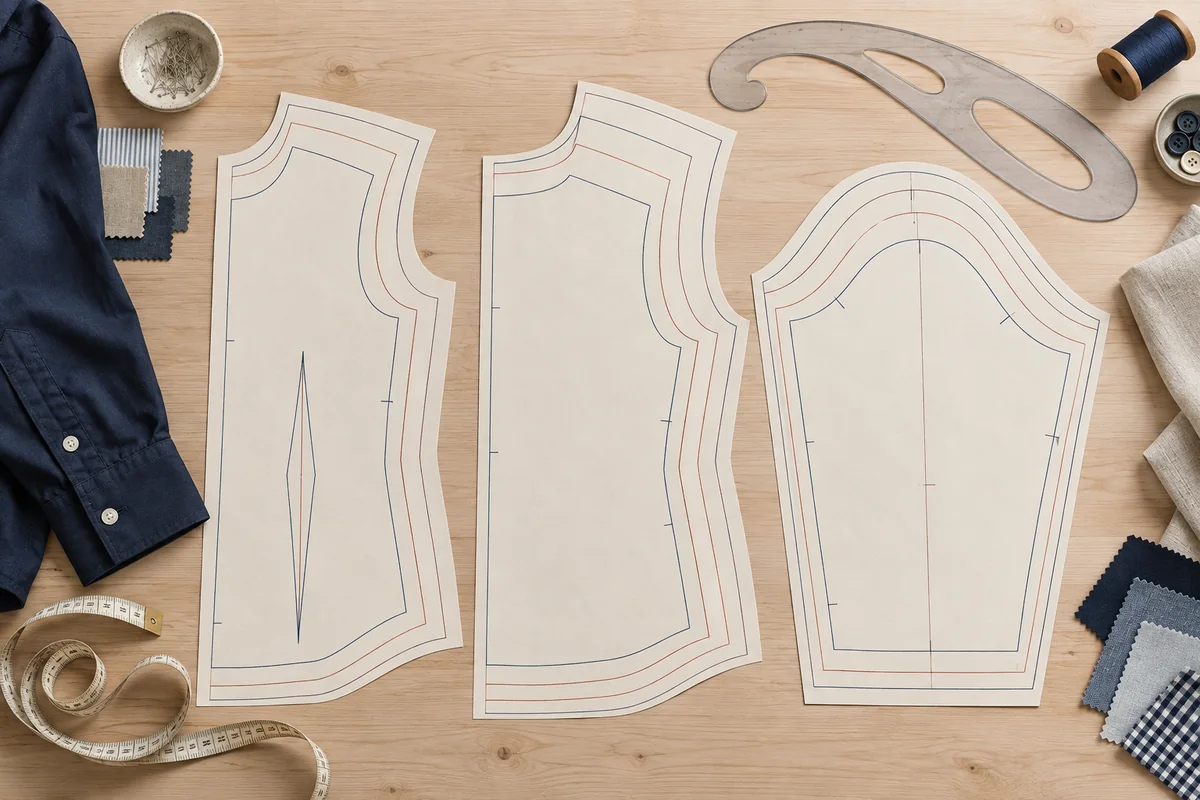
A fabric weight can make a quotation look precise without telling you how the garment will feel. Two polos with the same GSM can have different textures, drape and stretch. For buyers, the better approach is to read weight alongside knit construction and then assess a finished sample. Knowing the difference between jersey, pique and interlock makes that conversation easier. It also helps separate measurable specifications from broad descriptions such as heavy, premium or breathable.
01
Understand what GSM actually measures
GSM means grams per square metre: the mass of a defined area of fabric. It describes area weight, rather than the total weight of a finished garment. A larger T-shirt can weigh more than a smaller one even when both use the same material. ASTM D3776 covers methods for measuring fabric mass per unit area and distinguishes between different sampling options.
Treat a quoted number as a specification requiring context. Ask whether it relates to the finished fabric and how any agreed tolerance will be checked. A laboratory result from a small swatch describes that sample; it should not automatically be treated as proof of every roll in an order. Record the measurement basis when weight is commercially important, and avoid comparing quotations that silently refer to different fabric stages or sampling conditions.
Further reading: ASTM D3776: Mass Per Unit Area of Fabric ↗
02
Choose jersey for its surface and silhouette
Single jersey is familiar in many T-shirts. CottonWorks describes its different technical faces and its tendency to curl at cut edges. It can be produced in different weights, so the word jersey does not mean a single thickness or quality level. Its smooth appearance is one reason buyers often consider it for straightforward everyday tees.
When comparing jersey samples, look beyond the flat swatch. Put on the actual garment and observe the side seams, shoulder line and hem. Check the surface under the intended lighting, especially in white or pale colours. If the T-shirt will carry a large design, request a decorated example before approving the fabric. Judge the combination of material, cut and decoration; a pleasant swatch cannot show whether the finished chest area feels too stiff or whether the body drapes as intended.
Further reading: CottonWorks: Single and Double Knits ↗
03
Read pique as a construction family
Pique has a textured knit surface associated with many polo shirts. CottonWorks explains that single and double pique use different stitch arrangements, and that these variations influence the resulting fabric. The trade word pique therefore describes a family of structures rather than one fixed specification.
Request a physical swatch when a quotation uses terms such as matty or honeycomb. Agree the surface you want instead of assuming every supplier interprets the description identically. Examine the texture from normal viewing distance and feel the inside against the arm. For a hypothetical front desk polo, a buyer might prefer a subtle texture that looks tidy under a jacket; an event team might favour a more visibly textured option. Neither preference identifies a universal best construction. The sample should establish which appearance and feel suit the intended use.
Further reading: CottonWorks: Single and Double Knits ↗
04
Consider interlock when evaluating a fuller fabric
Interlock has a similar appearance on both sides and a stable structure without the cut-edge curling associated with single jersey, according to CottonWorks. Those structural differences make it worth considering when a buyer wants a different hand or silhouette. They do not by themselves establish the finished garment's weight or suitability for hot weather.
Handle comparable samples and ask the supplier to explain the proposed application. Fold each material, release it and observe the way it settles. Then review a garment on a wearer, since a fuller hand can look different across fitted and relaxed cuts. If the choice changes from the fabric used in an earlier order, reassess the measurements and decoration instead of copying the previous approval automatically. The intended shape should guide the material decision, with the trial confirming whether that shape remains comfortable in movement.
Further reading: CottonWorks: Single and Double Knits ↗
05
Stop using heavier as a synonym for better
Higher GSM means more mass per unit area, but that number cannot independently establish comfort, opacity, durability or shape retention. A useful specification describes the performance and appearance the garment needs to achieve. Weight can support that description, while the finished sample demonstrates whether the design works.
In a hypothetical promotional order, a buyer might compare two jersey T-shirts at different weights because one will be worn outdoors and another mainly indoors. The comparison should include fit, colour, decoration and the agreed laundry routine. Avoid turning those trial findings into a universal weight chart. If staff reject the heavier sample because it feels cumbersome, its larger GSM value is not a benefit for that project. Ask which observable requirement the extra material serves before agreeing to the additional weight or price.
06
Evaluate stretch, recovery and the collar separately
Stretch is the extension a fabric permits under force; recovery concerns what happens after that force is removed. For a practical sample review, observe whether elbows, hems and other stressed areas return to a satisfactory shape after normal wear. Keep casual handling observations separate from a formal laboratory result, which requires a defined method and conditions.
A polo also combines its body fabric with a collar, placket and sometimes ribbed sleeve cuffs. Review these components together. Check whether the collar sits evenly, the opening feels comfortable and the placket hangs as intended. A good body fabric can still be paired with unsuitable trims. Ask for the same components in the approval sample that are proposed for production, and identify substitutions in writing so the team can decide whether another review is needed.
07
Use washing to expose the complete construction
Measure an identified sample before care and assess it again after the agreed routine. Record where measurements start and finish, then compare body length, chest width and the appearance of seams and trims. This makes the review repeatable. A general note that the garment shrank gives less useful information than separate observations of length and width.
AATCC's TM135 overview describes fabric dimensional change testing under specified home laundering conditions. For a finished uniform, ask the testing provider which method is appropriate to the complete garment. A fabric report and a garment trial answer related but different questions. Keep an unwashed reference to compare colour and surface appearance, and photograph any twisting or distortion consistently. The purchasing decision should recognise what was actually evaluated and what remains an assumption about production material.
Further reading: AATCC TM135: Dimensional Changes of Fabrics after Home Laundering ↗
08
Build a complete knit fabric brief
Bring the decisions together in one readable specification: intended garment, fibre composition, construction, material reference, colour, target finished weight where relevant, fit, trims and decoration. State which sample is approved and identify any testing or care requirement. Ask the supplier to resolve missing details before confirming a repeat order.
For Sungrace enquiries, the cotton round neck tee, cotton pique polo and corporate matty polo routes provide useful starting points for discussing the garment category. Confirm the current specification of the option being considered; this article does not assign an unverified GSM to a product. Share the intended workday and size quantities through the bulk enquiry. With that context, the discussion can focus on a real sample and a clear set of requirements instead of treating one fabric number as the entire buying decision.
- 01Purpose
Describe climate, movement and the intended silhouette.
- 02Structure
Compare jersey, pique or interlock using physical swatches.
- 03Specification
Record composition, finished weight and material reference.
- 04Garment
Evaluate fit, trims and decoration together.
- 05Care
Review the sample after the agreed washing routine.
Sources and further reading
Technical references used for this guide. Confirm the specification and testing appropriate to your garment and order.